
Preparing a Child for Their First Barber Visit
Keep the first visit predictable and low pressure. Explain the steps in simple language, choose a time when the child is rested, tell the barber what may be difficult, and prioritise a safe experience over a perfect finish.
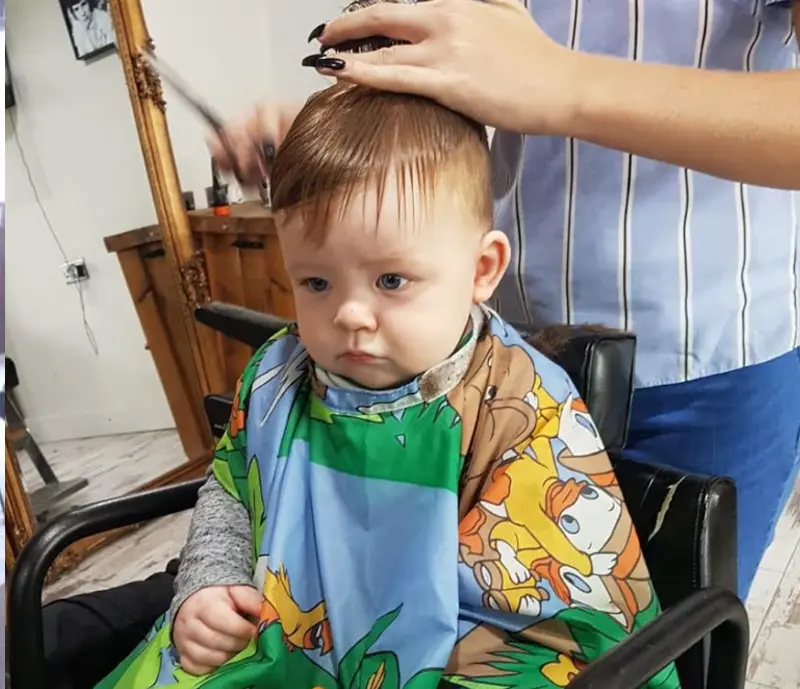
Keep the first visit predictable and low pressure. Explain the steps in simple language, choose a time when the child is rested, tell the barber what may be difficult, and prioritise a safe experience over a perfect finish.
Before the appointment
Show the child what will happen: arriving, sitting in a chair, wearing a cape, hearing scissors or clippers, seeing hair fall, and looking in the mirror. A short visit to see the room before the haircut can make the setting less unfamiliar. Avoid promising that nothing will feel strange; explain that they can tell you when they need a pause.
Choose a time that does not compete with hunger, tiredness or another rushed commitment. Bring a familiar quiet activity if it helps, but keep the barber able to move safely around the chair.
What to tell the barber
Share the child’s previous haircut experience, sensitivity to noise or touch, preferred communication and whether clippers are likely to be difficult. Explain the minimum result you need—for example, clearing hair from the eyes—so the service has a realistic stopping point.
Do not assume every shop provides specialist sensory or additional-needs services. Ask what adjustments are genuinely available and whether a quieter time can be arranged.
Clothing and comfort
A zip-up top or buttoned shirt can be removed without pulling loose hair over the face. Some children dislike the cape or the feeling of cut hair on the neck; a towel, spare top and prompt wash afterwards may help. Only use headphones or a screen when they do not prevent communication or safe head positioning.
A realistic first-visit plan
Example: a child is comfortable with scissors but worried by clipper noise. The parent and barber agree to begin with the fringe and around the ears using scissors, introduce the clippers at a distance, and stop if distress rises. The finished cut may be less precise than a standard appointment, but the child leaves without the experience becoming a battle.
The next visit can build on what worked. Progress is not measured only by how much hair was removed.
What parents can avoid
Avoid using the haircut as a surprise, threatening consequences for movement, or promising a reward that depends on completing every part of the cut. Those approaches can raise the stakes when the child is already processing unfamiliar sensations. Do not hold a struggling child in position unless immediate safety requires brief protection from equipment.
It is also unhelpful to apologise repeatedly for the child in front of them. Give the barber relevant information, keep instructions simple and treat pauses as part of the plan rather than failure.
After the visit
Remove loose hair promptly and note which parts were easier or harder. Praise specific communication—such as asking for a pause or trying the cape—rather than judging whether the child was “good”. If photographs are taken, respect the child’s privacy and the shop’s policy before sharing them.
For the next appointment, repeat the successful sequence and change only one difficult element where possible. Familiarity can help, but no child is required to tolerate the same method every time.
When to pause
If the child cannot keep their head safely positioned, becomes increasingly distressed or withdraws consent, pause. A shorter haircut is not worth turning the environment into something they fear. Seek individual advice from an appropriate health professional when sensory difficulties affect several areas of daily life; a barbering guide is not clinical assessment.
Sources and method
This guide combines practical barber-chair explanation with the following named sources. Product, clinical and trend claims are not inferred beyond those sources.
Next step
Save photographs of the result you want and the result you already have. For a shop visit, review our services and confirm current availability on Booksy. To question a claim or request a correction, read our editorial policy.