How Often Should You Get a Haircut?
There is no universal haircut schedule. Very sharp fades may look noticeably different after two weeks, while softer scissor cuts can remain intentional for six weeks or longer. Book around the point when the shape stops working for you, not an arbitrary calendar rule.
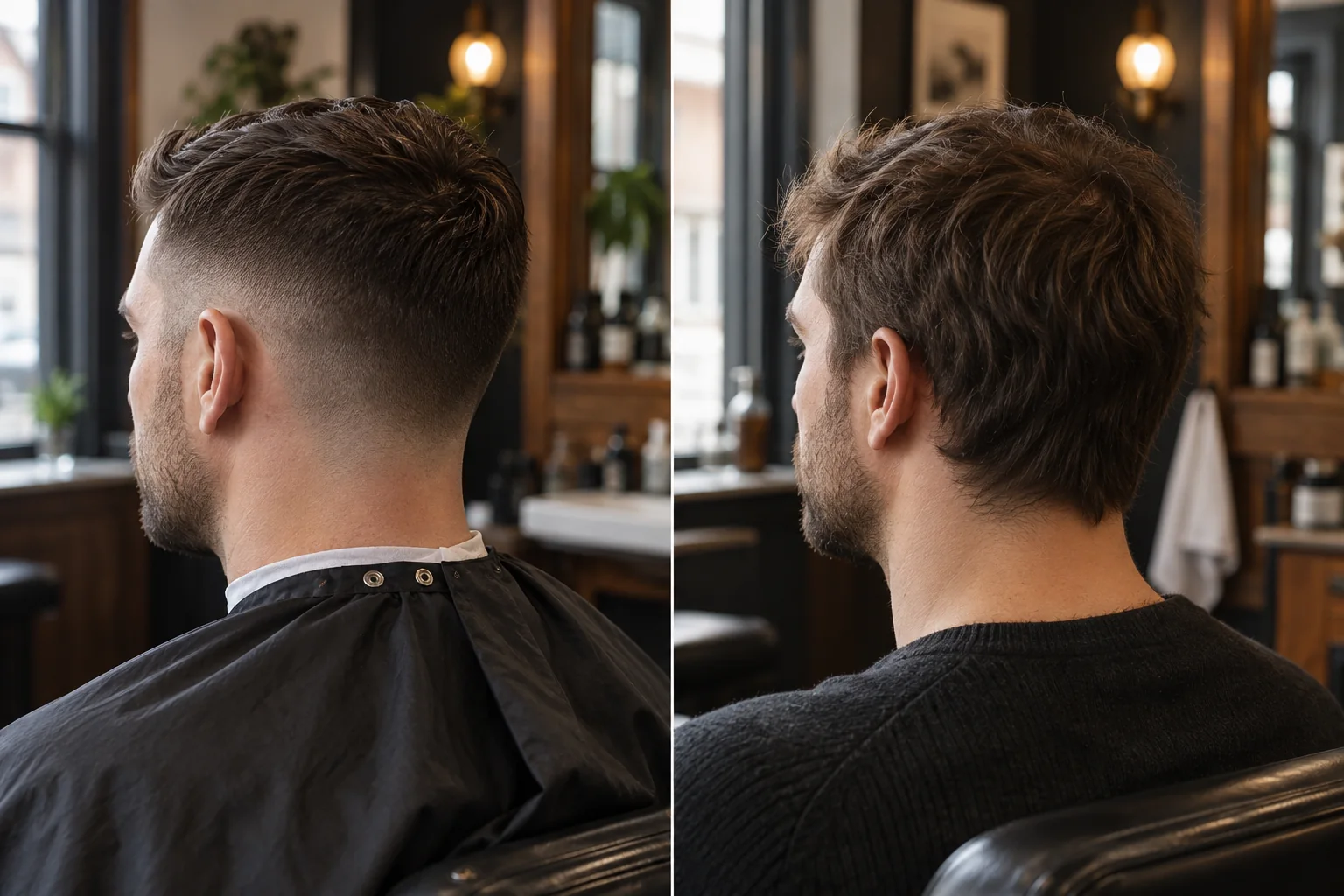
There is no universal haircut schedule. Very sharp fades may look noticeably different after two weeks, while softer scissor cuts can remain intentional for six weeks or longer. Book around the point when the shape stops working for you, not an arbitrary calendar rule.
Start with the shape, not the number of weeks
A haircut grows everywhere, but it does not lose shape evenly. A skin fade changes first at the shortest section because new stubble removes the clean contrast. A longer layered cut may keep its overall outline while the fringe, ears or neckline become inconvenient. Identify which feature makes you feel the cut is “due”.
Take a photograph on the day of the cut and another when it becomes difficult to style. The interval between those points is a more useful personal schedule than a generic recommendation.
Typical planning ranges
Someone maintaining a very crisp skin fade may choose roughly two to three weeks. A short taper or clipper cut often remains workable around three to five weeks. A textured crop or classic short back and sides may suit four to six weeks, while a longer scissor-led shape can sometimes go six to eight weeks if the growing outline is deliberate.
These are planning ranges, not promises. Growth rate, density, curl, crown direction and the original cut all affect when the result changes.
Maintenance versus a full haircut
If only the neckline or beard connection has become untidy, ask whether a small maintenance service is appropriate rather than assuming a full haircut is necessary. Do not repeatedly sharpen the outline at home if doing so moves the hairline higher each time.
For someone growing the top longer, regular visits can still be useful to manage the sides and rebalance weight. Tell the barber the growth goal so they do not remove the length you are trying to keep.
Worked examples
Example one: an office worker likes a low taper but does not need a day-one finish every week. Their cut remains comfortable for four weeks, so a monthly visit balances appearance and cost. Example two: a client chooses a high skin fade for strong contrast and notices the lower section losing definition after ten days. They decide whether that sharper look justifies a shorter interval.
Neither schedule is more correct. The intended appearance and available budget are part of the haircut decision.
Signs to book again
- The top no longer sits in the intended direction with the normal routine.
- The sides push outward and change the silhouette.
- The fringe enters the eyes or no longer connects to the style.
- The neckline or area around the ears feels untidy.
- You are using much more product to recreate the original shape.
Book before an important event if you already know how the cut settles. Trying a new barber or new style on the day before the event leaves little room to adjust.
Season, routine and special events
Warm weather, hats, sport and a change in work routine can alter when a cut feels inconvenient even though growth has not accelerated dramatically. Plan around comfort as well as photographs. Before a wedding, interview or school event, use a familiar interval: if a fade looks best to you three days after cutting, do not schedule it three weeks early or experiment the night before.
When budgeting, compare the yearly cost of the desired interval with a softer alternative. Choosing a cut that remains intentional for an extra week can matter more than finding a slightly cheaper appointment.
Our view
The most sustainable schedule is the longest interval that still keeps the haircut useful for your routine. A cut designed to grow out softly may provide better value than choosing a high-maintenance finish and resenting the upkeep. Ask the barber how the proposed shape will look at two, four and six weeks before committing.
Next step
Save photographs of the result you want and the result you already have. For a shop visit, review our services and confirm current availability on Booksy. To question a claim or request a correction, read our editorial policy.