
UK Clipper Guard Sizes: A Barber-Chair Reference
Clipper grades describe approximate cutting lengths, not a finished style. Brand, lever position, cutting direction and hair texture all affect the result, so use the number as one part of the conversation.
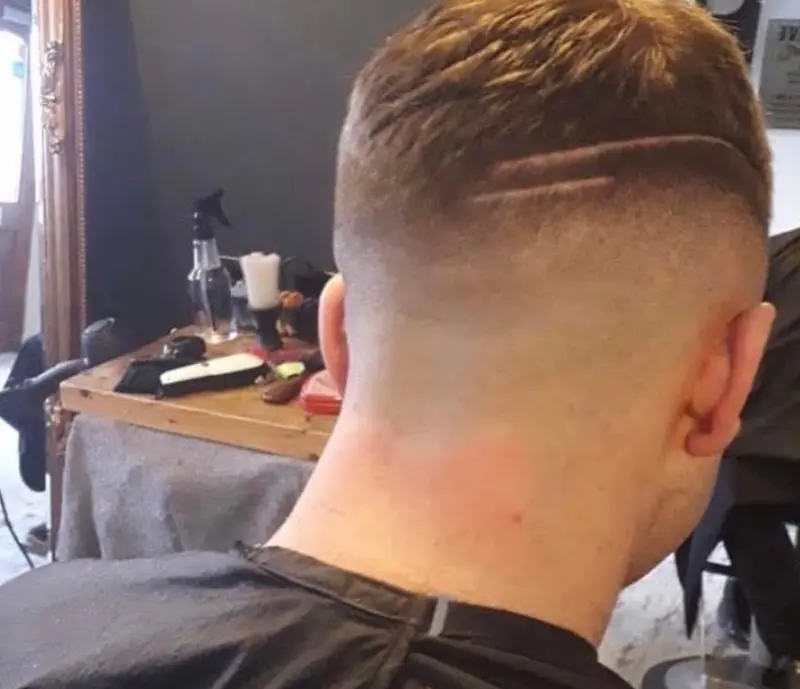
Clipper grades describe approximate cutting lengths, not a finished style. Brand, lever position, cutting direction and hair texture all affect the result, so use the number as one part of the conversation.
Common grades
| UK term | Approximate length | Typical visual effect |
|---|---|---|
| Zero / no guard | Very close; varies by clipper and lever | Visible scalp, stubble finish |
| Grade 1 | About 3 mm | Very short, scalp often visible |
| Grade 2 | About 6 mm | Short but with clearer coverage |
| Grade 3 | About 10 mm | Short, softer coverage |
| Grade 4 | About 13 mm | Longer clipper cut with more texture |
These figures are working approximations, not a promise. Guards are commonly labelled in eighths of an inch, and not every system matches perfectly. Ask the barber to show the guard if the exact remaining length matters.
Why “a number two” is incomplete
A number does not say whether you want one length all over, a fade, a taper, a squared neckline or a natural finish. It also says nothing about the top. “Grade two on the sides” can produce very different cuts depending on where the two ends and how the blend is shaped.
A better instruction is: “Grade two at the bottom, blended into a scissor-cut top, keeping the corners natural.” If you want one length all over, say that explicitly and decide whether the edges should be sharp or soft.
A practical first-visit example
Imagine your last haircut felt too short because the scalp showed around the temples. Rather than simply requesting the next grade up, show the barber where the problem appeared. They may recommend keeping a grade two at the base but lowering the blend, or leaving more weight above the temple. The solution can be shape rather than length.
Lever positions and in-between lengths
Many professional clippers have a lever that changes how closely the blade cuts. Barbers also use half guards and blending techniques between labelled sizes. That means the transition from a grade one to a grade two is not made from two fixed blocks; the barber creates several intermediate lengths to remove a visible line.
Do not try to reproduce a full fade at home merely by moving through the numbered guards. The shape depends on where each section is placed, the angle of the clipper, the direction of growth and how the darker areas are balanced. The guard chart helps you communicate the shortest area, not replace technique.
All-over grades versus a shaped cut
An all-over grade follows the head closely and exposes its natural outline. Leaving additional length on top can create a squarer or more balanced silhouette. For example, someone asking for a grade three all over may actually prefer grade three at the sides with slightly more length through the top and front. Ask whether “all over” is intentional before the first pass.
The same grade may also look different at the crown where hair changes direction. A careful barber checks the area from more than one direction rather than repeatedly shortening a resistant patch.
Limitations and safer choices
Fine, light-coloured or low-density hair may reveal scalp at a longer grade than thick, dark hair. Cowlicks and growth patterns can also make one area appear shorter. If you are uncertain, start longer: hair can be shortened during the appointment, but it cannot be put back.
For children or anyone sensitive to clipper noise and vibration, the shortest possible cut may not be the most comfortable option. Tell the barber before the service so the method and pace can be discussed.
What to record after a good cut
Take front, side and back photographs in natural light, and note the shortest grade, blend height and top length. That record is more useful at the next appointment than remembering a single number. It also makes it easier to explain small changes without restarting the consultation.
Sources and method
This guide combines practical barber-chair explanation with the following named sources. Product, clinical and trend claims are not inferred beyond those sources.
Next step
Save photographs of the result you want and the result you already have. For a shop visit, review our services and confirm current availability on Booksy. To question a claim or request a correction, read our editorial policy.